Screen-free Coding and Computational Thinking
Screen-free coding introduces children to the logic and creativity behind programming — without using computers, tablets, or phones.
Through fun, hands-on activities like puzzles, games, and storytelling, kids learn to think like programmers: breaking problems into steps, finding patterns, and building solutions.
It’s all about developing computational thinking — a powerful skill that helps the kids understand how to solve problems logically and creatively in any area of life.

What is Computational Thinking?
Computational thinking is a way of solving problems — just like a computer would!
It doesn’t mean using a computer; it means thinking logically and step by step to understand problems and find smart solutions.

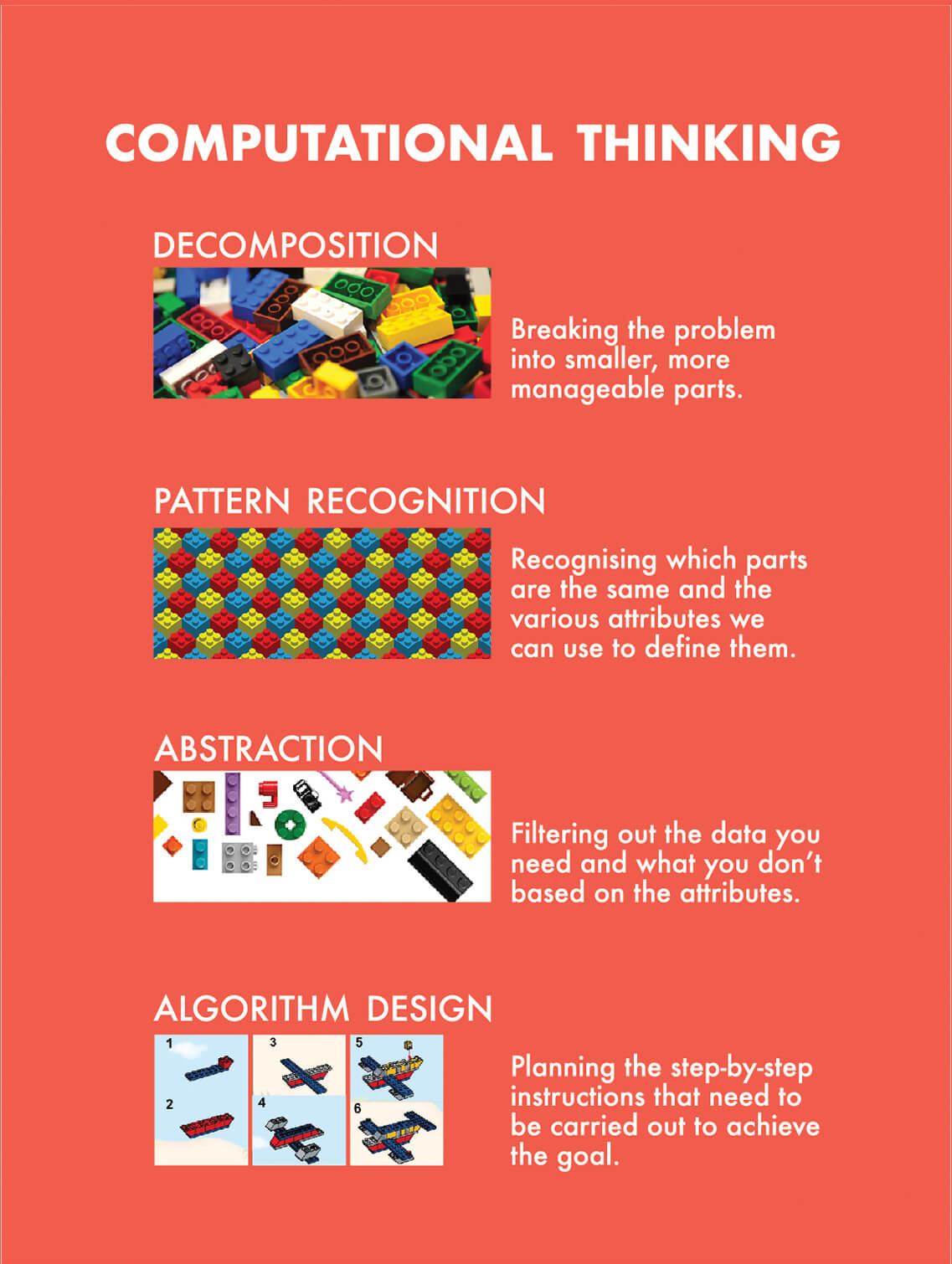
Decomposition
Breaking down a big problem into small, manageable parts.
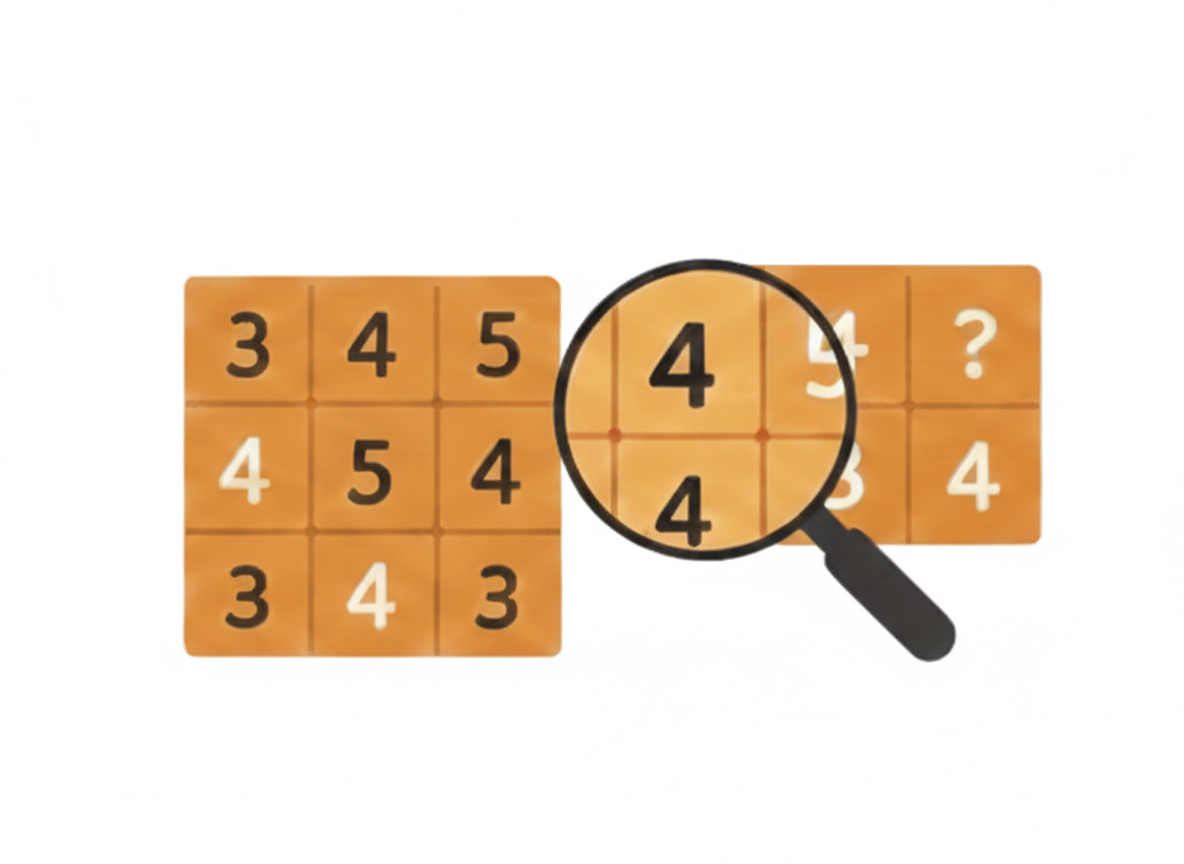
Pattern Recognition
Observing similarities and patterns in these smaller parts, to help us solve complex problems more efficiently.
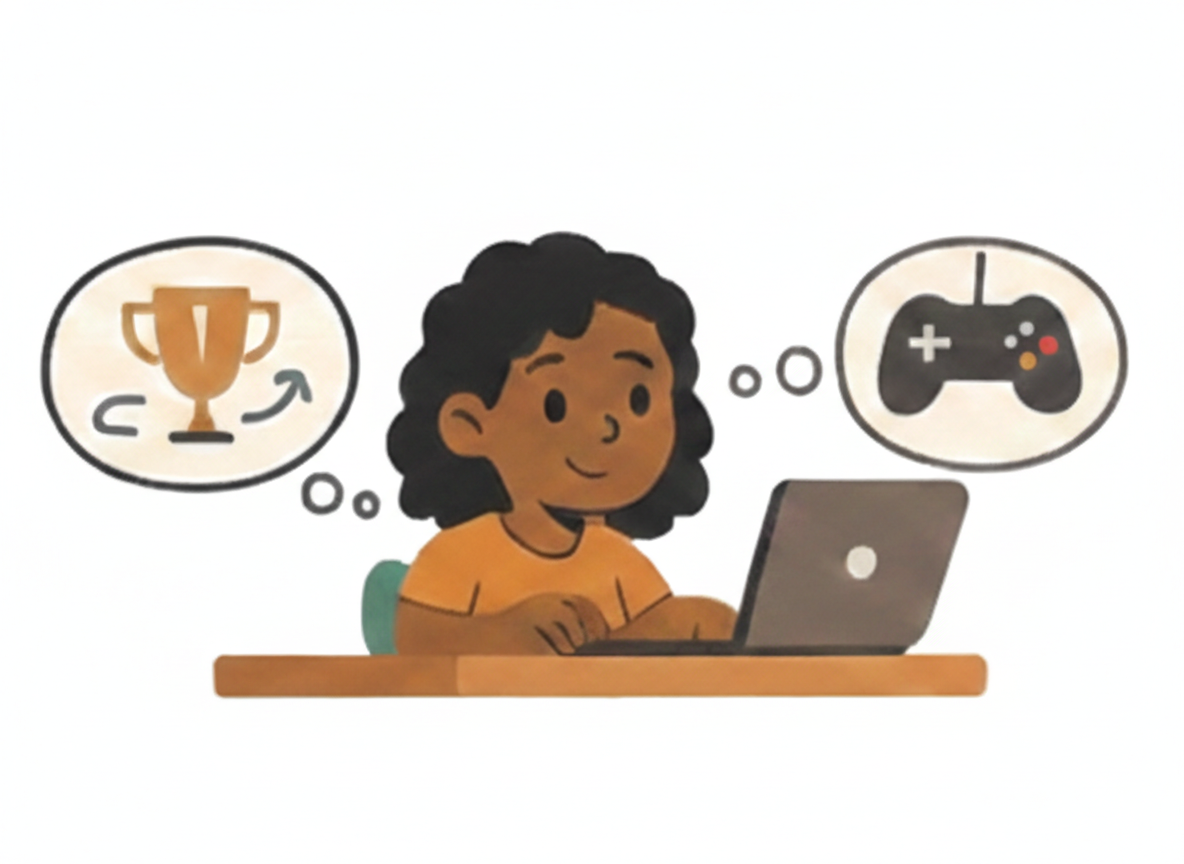
Abstraction
Identifying and extracting the important parts of the problem.
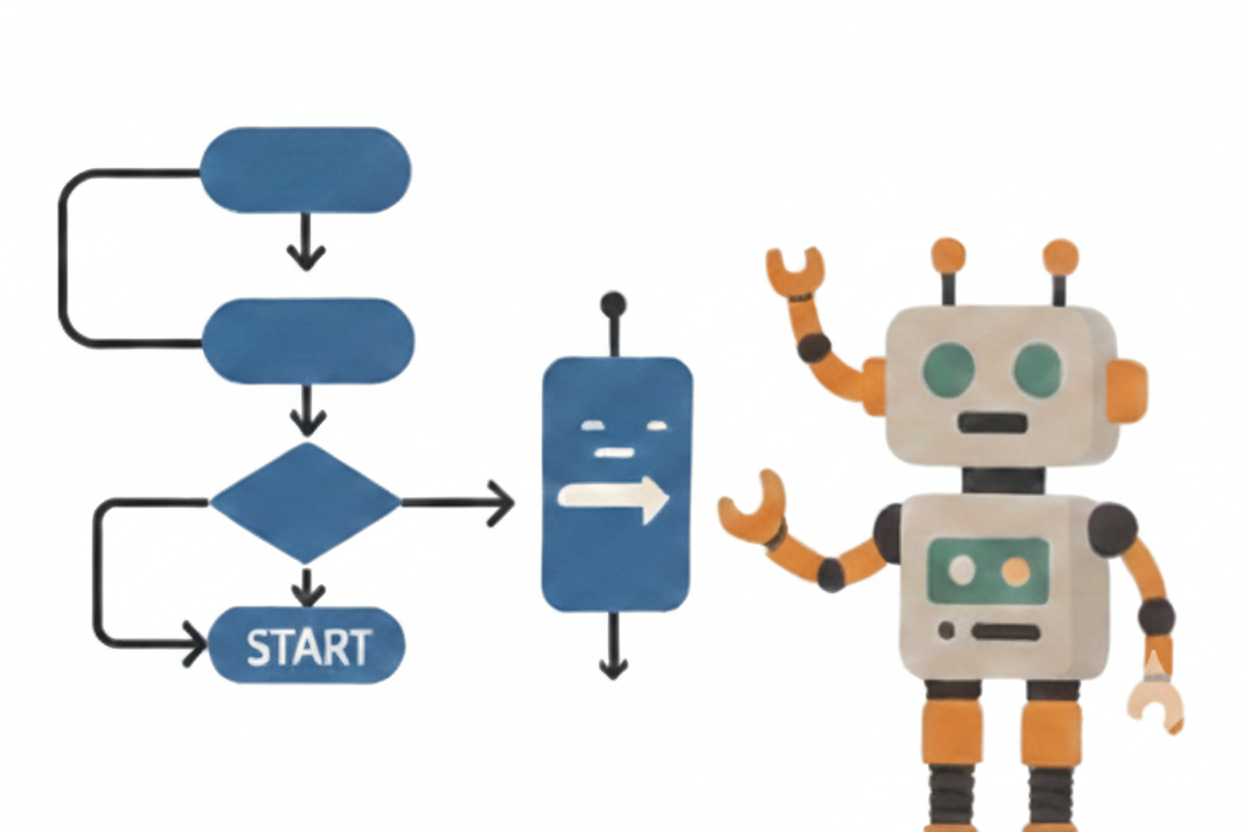
Algorithmic Design
Creating the step-by-step instructions of solving the problem.

"Computational Thinking is a fundamental skill for everyone, not just for computer scientists. To reading, writing and arithmetic, we should add Computational Thinking to every child's analytical ability."
— Jeannette Wing, Executive Vice President for Research at Columbia University
We at CodeRiite aspire to instill the 21st century skills of Programming and Computational Thinking within the young minds through our fun and intriguing curriculum. Children will be introduced to another fascinating dimension of technology empowering them to become the 'architects' of the digital era.
Benefits for Kids
Builds problem-solving and reasoning skills
Coding for kids is a fundamentally creative process. It allows them to express their imagination with an infinite assemblage of virtual resources. Such an atmosphere is conducive for innovation
Encourages logical and structured thinking
With an introduction to coding, children learn to think laterally when faced with a problem. It helps them resolve intricate exercises by trying out different solutions. This skill helps them to respond and adapt to adversity.
Boosts creativity through hands-on play
Improves communication and teamwork
Prepares kids for coding and future STEM learning
How We Teach
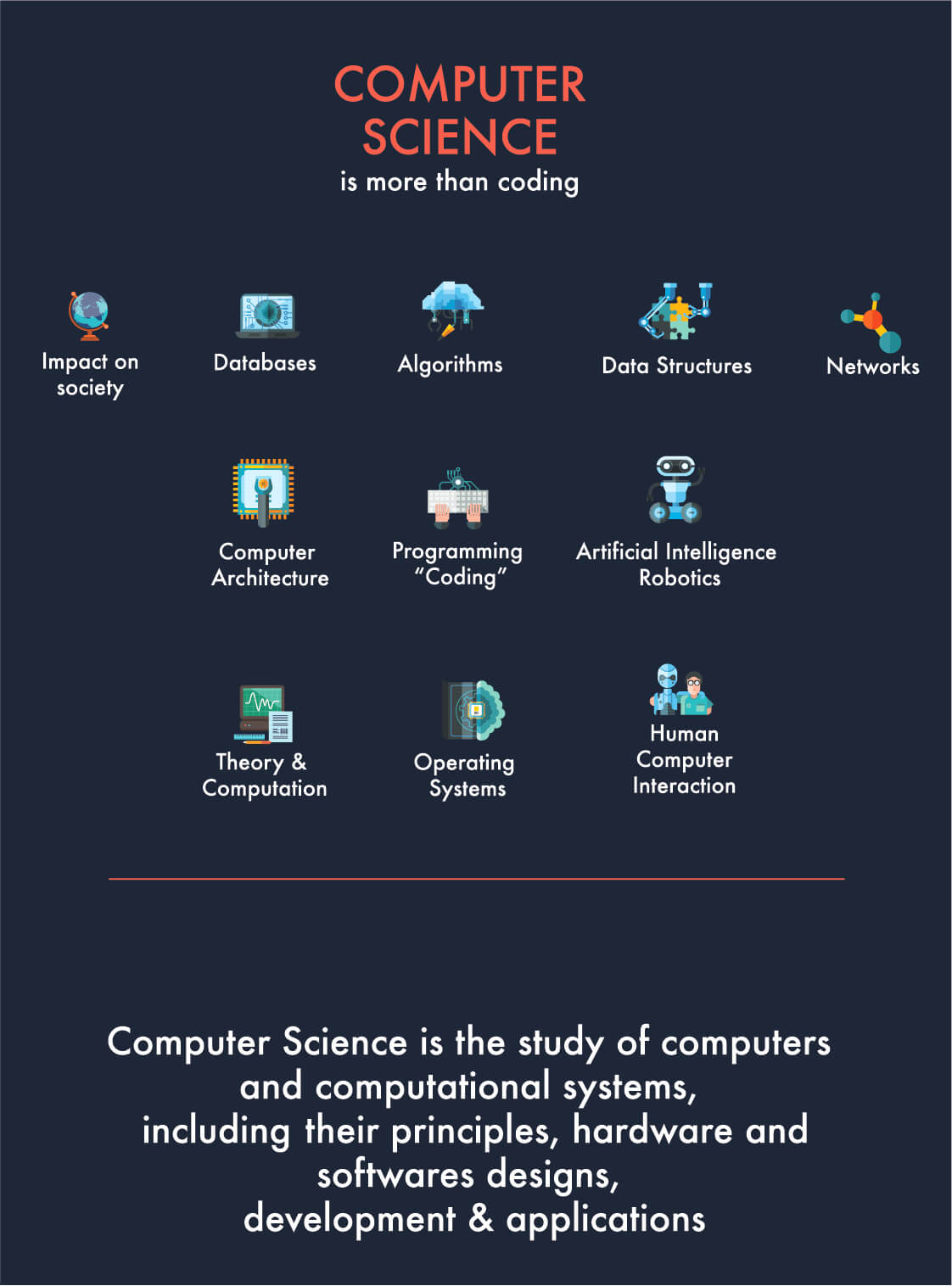
Computer Science
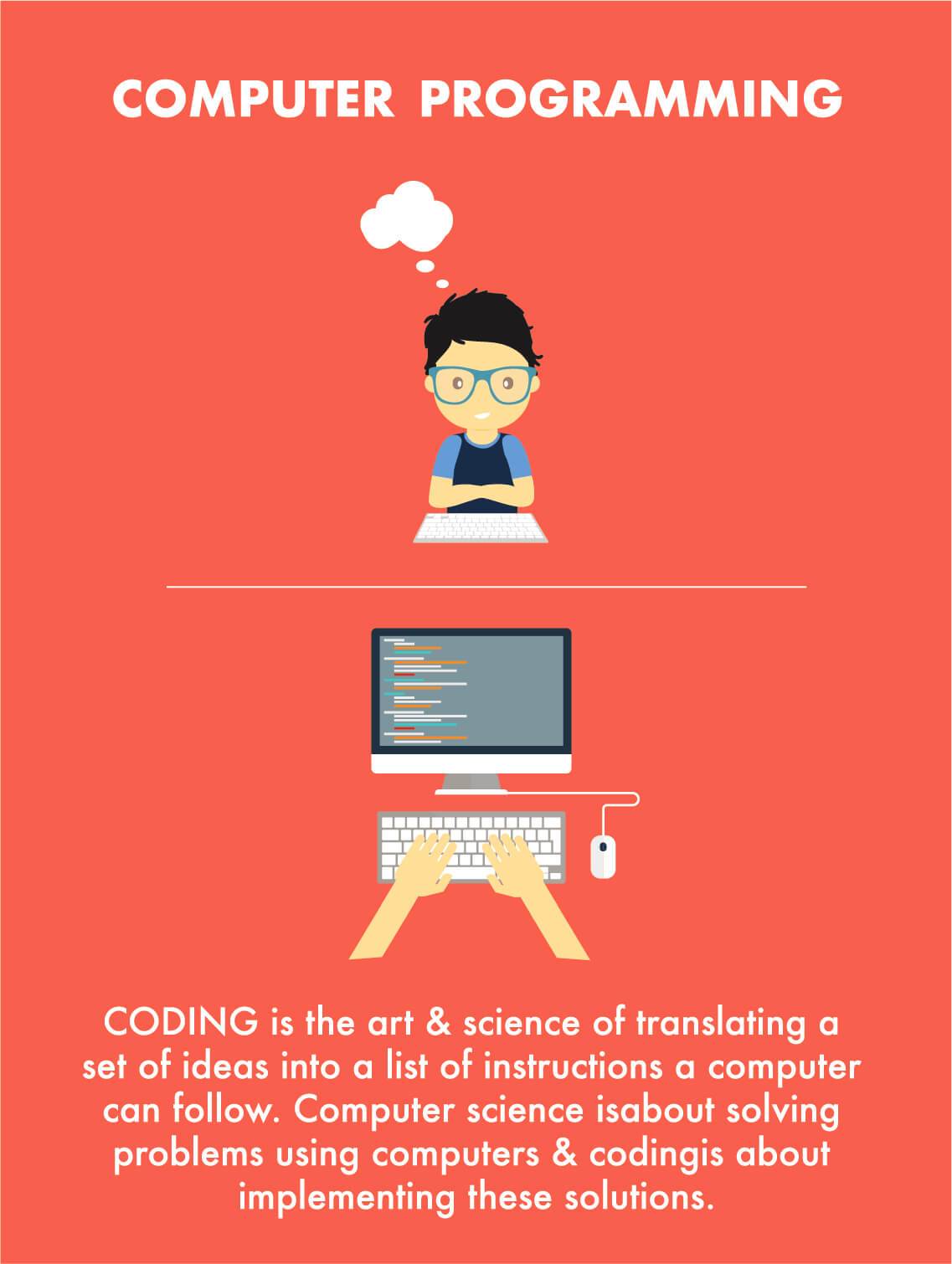
Computer Programming
Computational Thinking
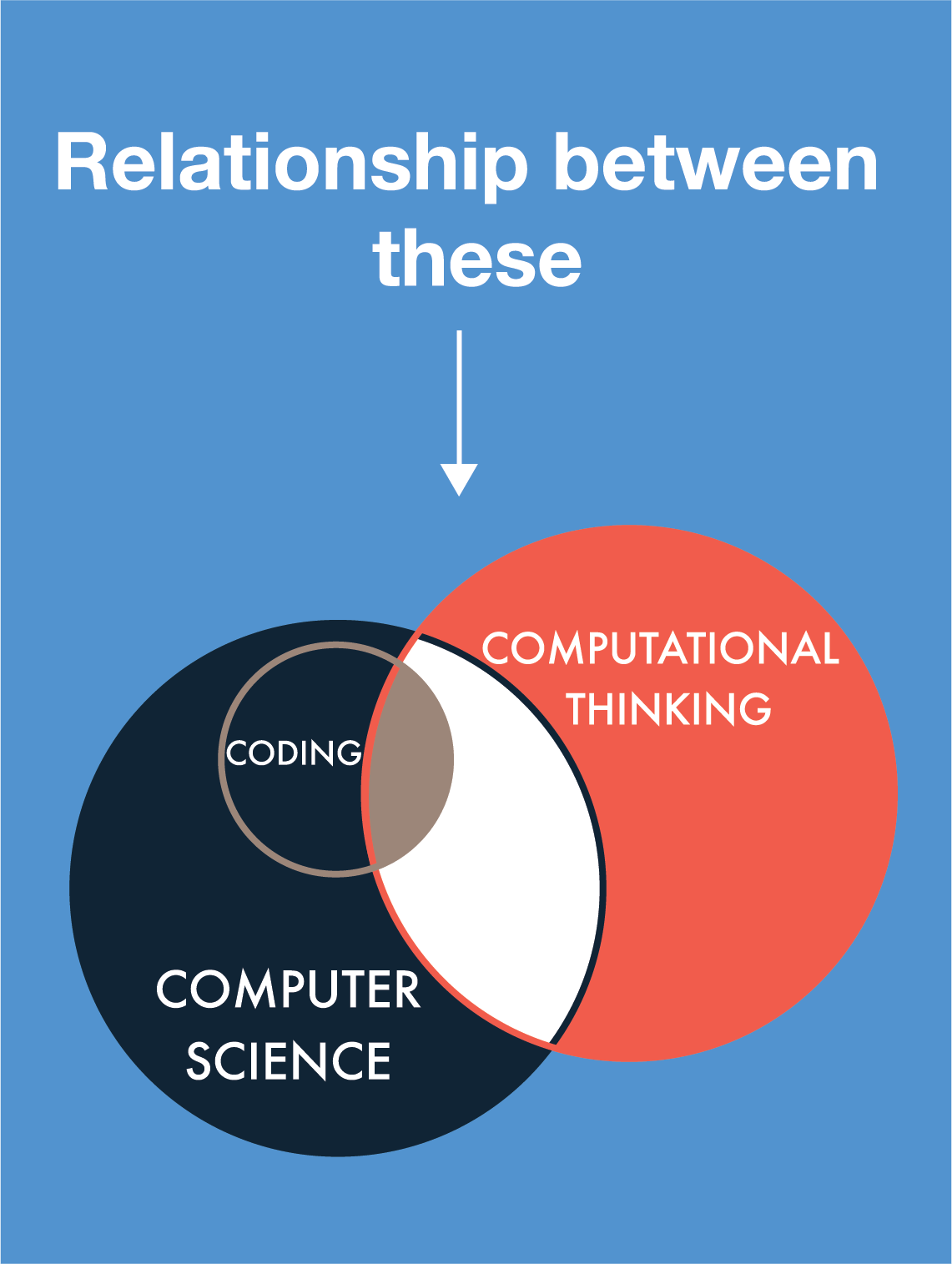
The Relationship
What Parents Say
"My child comes home excited to explain the logic behind the games. The screen-free approach keeps her curious and focused."
Priya M.
Parent of a 6-year-old